

When boxelder bugs turn a quiet home into a daily worry
Homes are meant to feel steady, quiet, and predictable. When minor black-and-red bugs start clustering near windows, walls, or warm corners, that sense of calm fades fast. The confusion often hits before the concern. Questions pile up. Is this normal? Is something wrong with the house? Will they spread? This guide exists to slow that spiral and replace it with clarity.
This is not a rushed list of tricks or a scare-driven article. It is a complete home guide built for people who want honest answers, clear steps, and a sense of control. Inside, the focus stays on what actually works, why these insects behave the way they do, and how to respond without panic or overreaction. The goal is to help households understand the situation, not just react to it.
Within this guide, readers will learn how to get rid of boxelder bugs in a way that respects the home, avoids guesswork, and supports long-term peace of mind. The sections ahead break down identification, immediate actions, safe treatment choices, and prevention methods that fit daily life. Each part is written to feel steady and human, not technical or cold.
By the end, the benefit is fewer surprises. Clear decisions. Confidence in knowing what to do next and why it matters. No fluff. No fear. Just a smart path forward built around real household needs.
Why boxelder bugs show up around homes and what attracts them
Boxelder bugs do not appear at random, even when it feels that way. Their presence follows clear patterns tied to weather, light, and shelter. Understanding these patterns reduces much of the stress associated with sudden sightings. These insects search for warmth as seasons shift, especially when days cool and sunlight becomes limited. Homes offer what outdoor spaces no longer provide.
Cracks, gaps, and sun-facing walls create easy access points. Once inside, the goal is not to nest or damage property. Instead, they seek stable temperatures and quiet spaces to wait out colder periods. That behavior often leads them to windowsills, attics, or wall voids. Because they gather in visible clusters, the situation feels larger than it is.
According to the Pennsylvania State University Extension, boxelder bugs are most commonly noticed in fall and early spring because adults actively move toward warm structures to survive temperature changes. The Extension also confirms that these insects do not breed indoors and cause no structural damage, which explains why sealing entry points is more effective than repeated indoor treatments.
Confusion grows when people link their presence to cleanliness or neglect. That connection is false. Even well-maintained homes attract them under the right conditions. What matters most is location, seasonal timing, and exterior access. Recognizing this helps remove guilt and refocus energy on solutions that work.
Key reasons boxelder bugs gather near homes include
- Warm surfaces that hold heat from the sun
- Small gaps around doors, windows, or siding
- Nearby host trees that support their life cycle
- Seasonal shifts that push them indoors
Once these factors are clear, the following steps feel less reactive. The situation becomes predictable. With predictability comes control. That understanding sets the stage for choosing the correct response rather than guessing or overcorrecting.
How to identify boxelder bugs correctly before taking action
Correct identification matters more than most people expect. Many insects look similar at a glance, especially when stress is high. Acting without certainty can lead to wasted effort or the wrong treatment approach. Boxelder bugs have distinct traits that make them easy to recognize once attention slows.
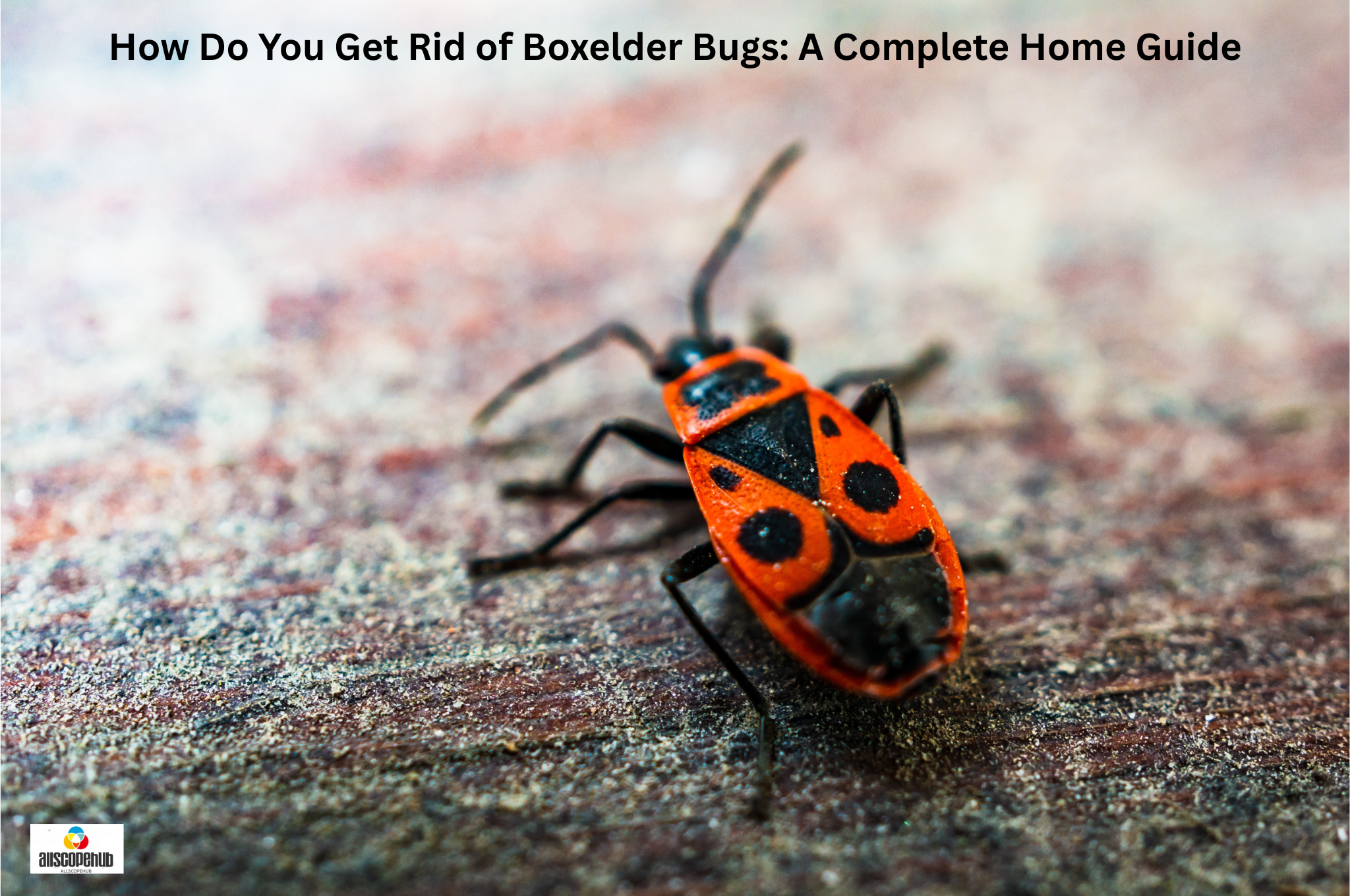
Their bodies are dark, almost black, with red or orange lines along the edges and wings. They move slowly and gather in groups rather than scattering fast. Indoors, they rarely fly long distances. Outdoors, they favor warm siding or stone surfaces. These details set them apart from beetles, stink bugs, and ants.
Recent research from the National Pesticide Information Center explains that boxelder bugs are classified as nuisance pests, meaning they do not bite, sting, or transmit disease to humans. The Center also notes that indoor chemical treatments are usually unnecessary because physical removal and exclusion address the problem more safely and effectively.
Misidentification often leads to unnecessary aggressive solutions. That can create more disruption than the insects themselves. Taking a moment to observe behavior and appearance builds confidence and prevents overreaction. Knowledge reduces urgency, and urgency often leads to mistakes.
Signs that confirm boxelder bugs include
- Grouping near sunny windows or exterior walls
- Slow crawling rather than quick darting movement
- Seasonal spikes during fall or early spring
- No damage to food, fabric, or wood
Once confirmed, the focus shifts from fear to management. Identification is not about labels. It is about choosing actions that match the situation. That clarity allows the following steps to feel intentional rather than rushed.
How to stop boxelder bugs inside the house safely and effectively
When boxelder bugs are already indoors, the priority becomes calm removal and containment. Panic-driven actions often spread them further or stain surfaces. These insects release odor when crushed, which adds to the frustration. A steady approach keeps the situation manageable.
Start by limiting movement. Close interior doors and reduce light sources that draw them deeper into the house. Gentle removal works better than force. Physical methods that avoid crushing are best. This keeps surfaces clean and prevents stress responses from the insects.
At this stage, many people consider pest control options immediately. However, indoor infestations of boxelder bugs rarely require extreme measures. The goal is removal, not elimination at all costs. Short-term calm matters more than permanent solutions at this point.
Effective indoor steps include
- Using a vacuum with a disposable bag
- Sealing visible entry gaps temporarily
- Reducing indoor heat near windows
- Avoiding sprays that stain or linger
These actions restore control without escalating the issue. Once the immediate presence is handled, attention can shift toward prevention. The problem becomes quieter, easier to manage, and far less emotional.
How to prevent boxelder bugs from returning long-term
Long-term success comes from changing conditions, not chasing insects. Prevention focuses on removing the reasons boxelder bugs choose a home in the first place. This approach reduces future encounters and builds confidence across seasons.
Exterior maintenance plays a central role. Sealing gaps, repairing screens, and managing sunlight exposure limit access points. Landscaping choices also matter. Reducing proximity to host trees lowers attraction over time. None of these steps requires a drastic change. Minor adjustments add up.
Timing matters as well. Prevention works best before seasonal shifts. Acting early reduces the chance of indoor sightings altogether. This proactive mindset replaces reaction with preparation, which feels far more stable.
Strong prevention habits include
- Inspecting exterior walls before seasonal changes
- Sealing cracks with appropriate materials
- Managing outdoor debris near foundations
- Adjusting window coverings to reduce heat buildup
Over time, these steps dramatically reduce encounters. The home becomes less appealing without becoming sealed or uncomfortable. Prevention is not about perfection. It is about consistency and awareness.
Turning knowledge into long-term peace of mind
Boxelder bugs disrupt routines, not because they are dangerous, but because they challenge a sense of control. When answers feel scattered, stress grows. This guide exists to replace that stress with understanding and steady action. Knowledge changes the experience from reactive to manageable.
By focusing on identification, calm removal, and prevention, the situation becomes predictable. That predictability brings confidence. Instead of wondering what to do next, households can move forward with clarity. Each step builds on the last without pressure or fear.
Support does not end with information. Ongoing guidance, seasonal planning, and transparent decision-making help keep homes comfortable year-round. When questions return, having a trusted process matters more than quick fixes.
If continued help feels useful, staying connected opens the door to deeper insights, practical checklists, and long-term home care strategies. Confidence grows with the proper support. Take the next step toward a calmer home and keep building knowledge that works when it matters most.